How Olympia’s Rainy Climate Affects Different Types of Fencing
A homeowner on Olympia’s Westside showed us two fences last winter. They stood on opposite sides of the same property line. One was cedar. The other was vinyl. Both went in the same year.
The cedar fence had dark stains along the bottom boards. Two posts leaned a little. The vinyl fence looked almost new. Same rain. Same soil. Very different results.
That’s the story of fencing in Olympia. Rain shapes every material in its own way. Once you know how, you can pick a fence that fits our weather and plan the upkeep it needs.
What Olympia’s Weather Does to a Fence
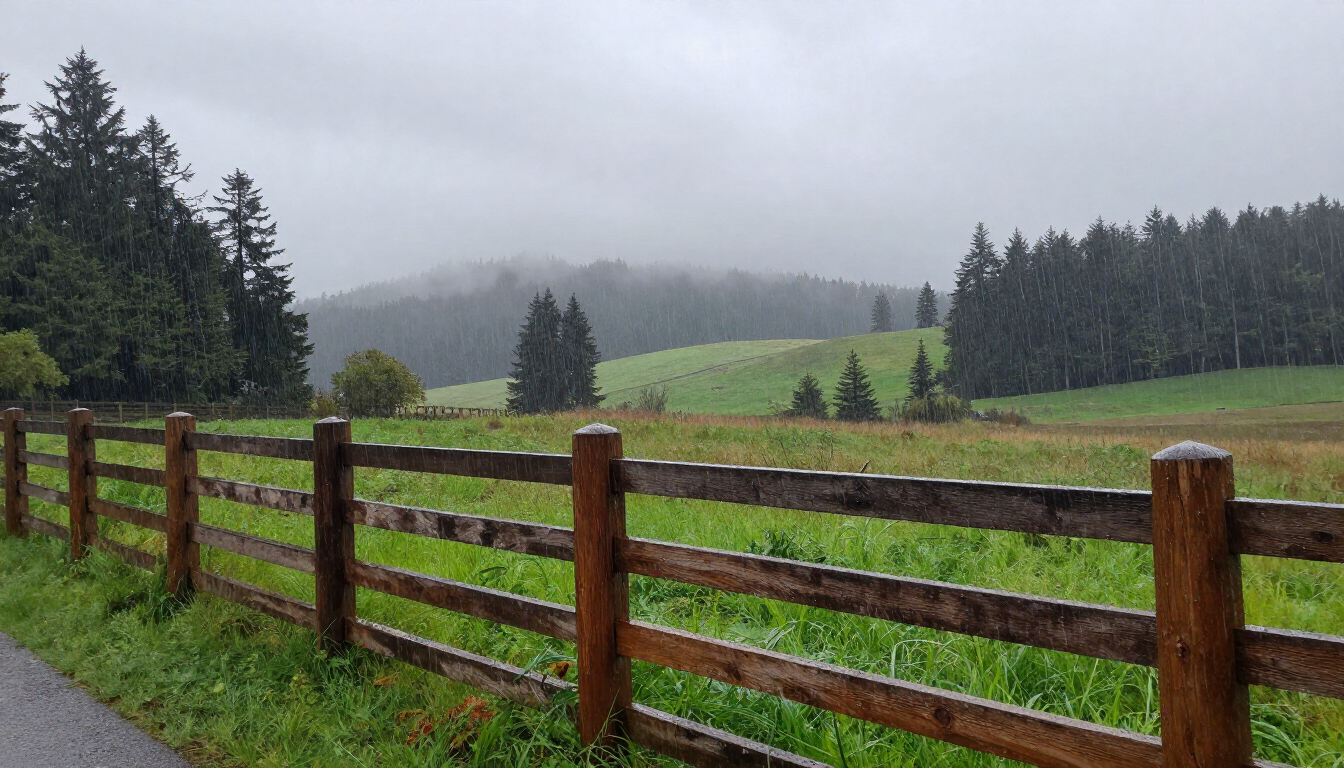
Olympia gets about 50 inches of rain each year. Most of it falls between October and April. Winters stay cool, wet, and overcast. Summers run dry and mild.
That pattern puts three kinds of stress on a fence:
- Constant moisture: Wood soaks up water. Metal rusts. Soil stays soft around posts.
- Wet-dry swings: Wood swells in winter and shrinks in summer. Boards crack and loosen over time.
- Saturated soil: Wet ground loses its grip on posts. Posts lean and shift.
Each material handles these stresses differently. Here’s how.
Cedar and Other Wood Fences
Wood takes the biggest hit from our rain. It also gives you a look that fits the Pacific Northwest like nothing else.
How Rain Affects Wood
Wood absorbs water. Moisture then moves into the grain and starts to break the fibers down. Rot usually begins where wood touches the ground. Posts and bottom rails go first.
Cedar fights back better than pine or fir. Its natural oils slow rot and repel insects. Even so, cedar still needs help in our climate.
How to Protect Wood in Olympia
- Seal or stain the fence every two to three years
- Keep bottom boards a small gap above the soil
- Trim shrubs and vines that trap moisture against the wood
- Check posts at ground level each fall
Treated pine costs less than cedar. It holds up to moisture better than untreated wood. It still warps and cracks as it dries each summer. Plan for more upkeep if you choose it.
A well-kept cedar fence can last fifteen to twenty years here. A neglected one may need major repairs in half that time.
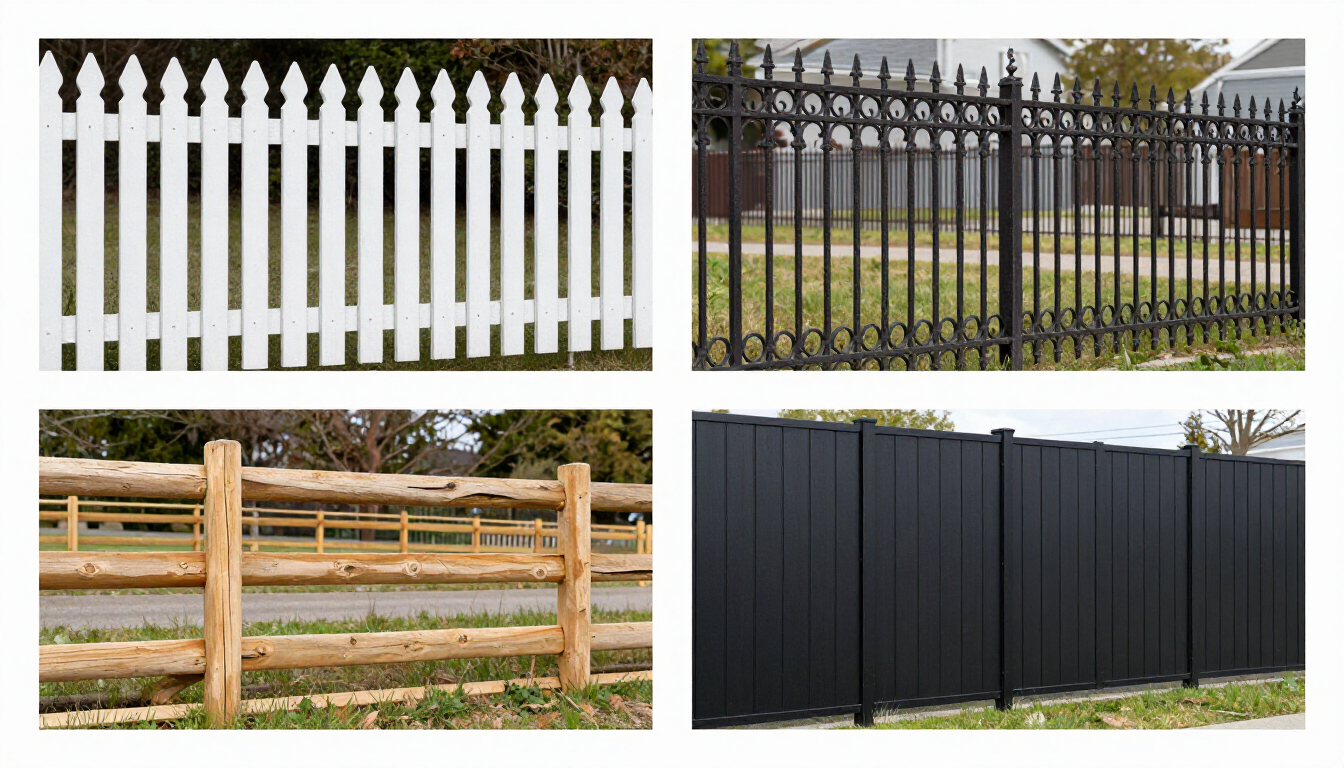
Vinyl Fences
Vinyl handles Olympia’s rain better than any wood. It does not absorb water. Rain runs right off.
That means no rot, no swelling, and no warping. You never seal it or paint it. A hose-down a few times a year clears off the green film that grows in our damp winters.
Vinyl does have limits. Posts still sit in wet soil, so installation depth matters. Cheap, thin vinyl can turn brittle after years of sun. Pick a thick, quality product with UV protection.
Aluminum Fences
Aluminum does not rust. That makes it one of the best metal choices for our climate. Rain does not hurt the metal itself.
Most aluminum fences also come with a powder-coated finish. That coating adds color and extra protection. Check it once a year. If you spot a chip or scratch, touch it up so moisture stays out.
Aluminum gives you an open, upscale look. It does not give privacy. Many homeowners use it for front yards, pool areas, and garden borders.
Wrought Iron and Steel Fences
Iron and steel look striking. They also face the toughest battle with our rain. Water plus bare metal equals rust.
Rust often starts at welds, scratches, and the base of posts. Once it starts, it spreads. Left alone through a few wet winters, it can weaken the fence.
If you love the look of iron, plan for regular care:
- Inspect the finish every fall
- Sand and repaint any rust spots right away
- Keep soil and mulch away from the post bases
Many homeowners choose aluminum instead. It gives a similar look with far less work.
Chain Link Fences
Chain link holds up well in our rain, as long as you choose the right type. Galvanized chain link has a zinc coating that fights rust. Vinyl-coated chain link adds another layer of protection.
Cheap, uncoated chain link will rust fast here. Look for galvanized or vinyl-coated mesh. Check the posts and hardware each year. Those are the spots where rust shows up first.
Chain link works well for large lots, dog runs, and garden areas. It also costs less than most other styles.
The Hidden Problem: Saturated Soil
Every fence in Olympia stands in the same wet ground. That ground matters as much as the fence material.
When soil stays saturated for months, it loses strength. Posts start to shift. Gates sag. Whole sections lean. A strong fence on weak posts will still fail.
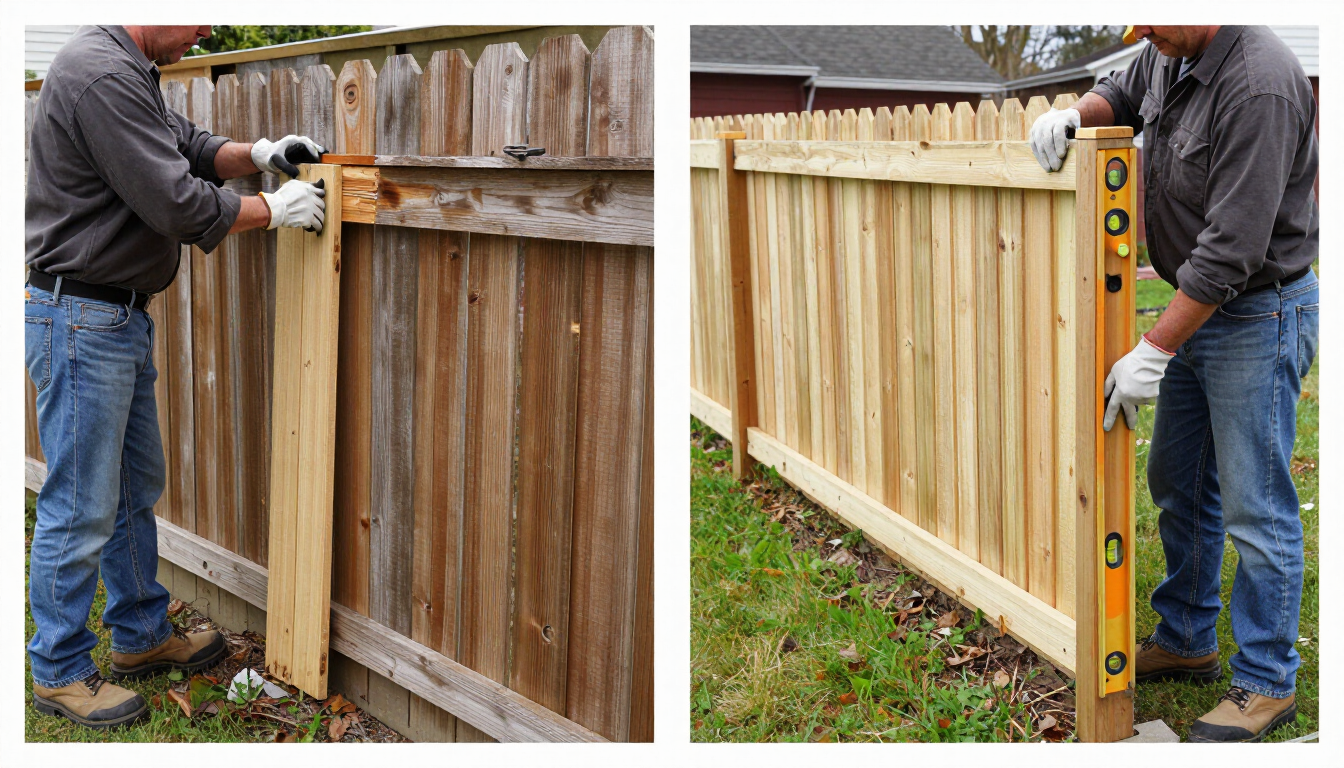
Good installation fixes most of this. Installers should dig posts to the right depth. They should use enough concrete. They should also build in drainage so water moves away from the post base instead of pooling around it.
Ask any installer how they set posts for wet soil. A clear, confident answer is a good sign.
Quick Guide: Which Fence Handles Rain Best?
- Best moisture resistance: Vinyl and aluminum
- Best natural look with good care: Cedar
- Best budget option: Galvanized or vinyl-coated chain link
- Needs the most upkeep: Wrought iron and untreated wood
No fence is rain-proof. Each one needs smart installation. Some need regular care too. The right match depends on your budget, your style, and how much time you want to spend on upkeep.
Build a Fence That Fits Our Weather
Olympia’s rain is part of life here. Your fence can handle it. You just need the right material, set the right way, with the right care plan.
Olympia Fencing Company installs and repairs fences across Olympia, Lacey, Tumwater, Yelm, Elma, Rochester, and the surrounding Thurston County area. We’ll look at your property, check your soil and drainage, and help you choose a fence that lasts through our wet winters.
Contact us today for a free estimate. We’ll walk you through your options and show you what will hold up best at your home.
You might also like